Fractional Creative Team vs Hiring In-House: The Math
A fractional creative team makes sense when you need senior work across more than one discipline but can't yet justify the headcount to cover them all. The math isn't only about salary. It's about coverage, ramp time, and what happens when one person can't be five people.
The coverage problem
Price a real in-house creative department and the salary line is only the start. A functioning department needs design, web, video, motion, and someone senior enough to hold strategy, plus benefits, tools, and management overhead on top of every seat. Most growth-stage companies respond by hiring one generalist and hoping. That person is usually talented and permanently underwater: a designer asked to shoot video, edit it, rebuild the website, and write the deck for Thursday.
The coverage problem isn't the generalist's fault. No single hire covers five disciplines at a senior level, because nobody is senior at five disciplines.
What the retainer buys instead
A fractional creative team flips the unit of purchase. Instead of buying seats, you buy a monthly block of senior hours usable across every lane: brand, design, video, web, and content. The month you need a trade show, it's video and event content. The month you launch, it's web and campaign assets.
Goodthings, a fractional creative team, structures this as a monthly retainer with a dedicated point of contact, hours flexible across any service, and planning check-ins so the hours go where the quarter actually needs them. Production hours are what you pay for; project management isn't billed as creative work.
The ramp-time line item nobody prices
Every new hire and every new vendor pays a context tax: your brand, your voice, your decision-makers, what "on brand" means in practice. In-house, you pay it once per hire. With per-project vendors, you pay it constantly.
An embedded retainer pays it once, then compounds. AIIR Products has run this model with Goodthings for over five years: one team carrying the visual identity, design system, website, investor materials, and trade show presence, including their AHR Expo 2026 booth. None of that gets re-explained in January.
When in-house wins
The honest cases: when one discipline dominates your creative demand year-round (a content brand that ships video daily should hire video), when creative is the product, or when volume in a single lane outgrows a retainer's economics. In-house also wins on physical presence; nobody embeds into a hallway conversation from outside.
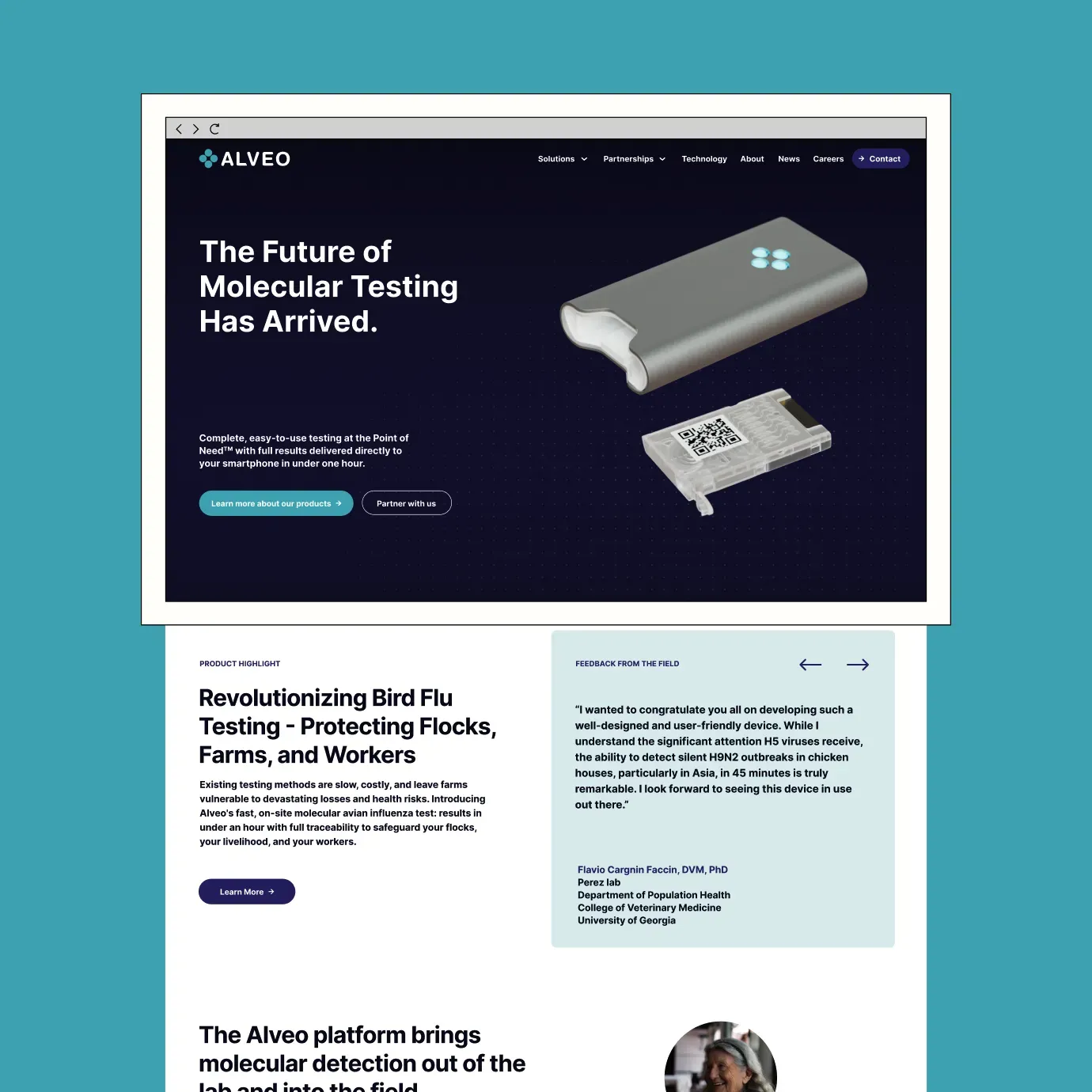
The common path isn't either/or. Companies hire their first in-house marketer or designer and keep the fractional team around them for the lanes that person doesn't cover. Alveo Technologies and Story both started as single projects and converted to ongoing partnerships that work alongside their internal teams.
How to run the comparison for your company
List the creative work you actually shipped last quarter and the work you didn't ship because nobody could get to it. Sort it by discipline. If it clusters in one lane, price the hire. If it spreads across three or more lanes, price the retainer: you're not short a person, you're short a department, and departments-by-the-month is precisely the product.
The embedded creative team page breaks down the three retainer tiers and what each covers.